The Best Places to Live Abroad If You Work Remotely
The best places to live abroad if you work remotely are Portugal, Spain, Mexico, Thailand, and Colombia. Each one offers a solid mix of reliable internet, affordable living, and visa options designed specifically for remote workers.
But “best” depends a lot on what you’re actually looking for. So let’s break it down.
Key Takeaways:
- Remote work visas are everywhere now. Over 50 countries offer dedicated digital nomad visas as of 2025, according to Immigrant Invest’s 2026 Digital Nomad Visa Index, making it easier than ever to live abroad legally while working online.
- Your budget shapes your shortlist. A comfortable monthly budget ranges from $1,200 in Southeast Asia to $3,500+ in Western Europe, so start with what you can afford.
- Internet speed matters more than the view. A beachfront apartment means nothing if you’re dropping Zoom calls every five minutes.
Living abroad while working remotely used to feel like something only a handful of tech workers could pull off. But that’s changed.
With remote work now baked into how millions of people earn a living, the question has shifted from can you do it? to where should you go?
Here’s a look at the best countries for remote workers right now.
Which Countries Are Best for Working Remotely Overseas?
Portugal
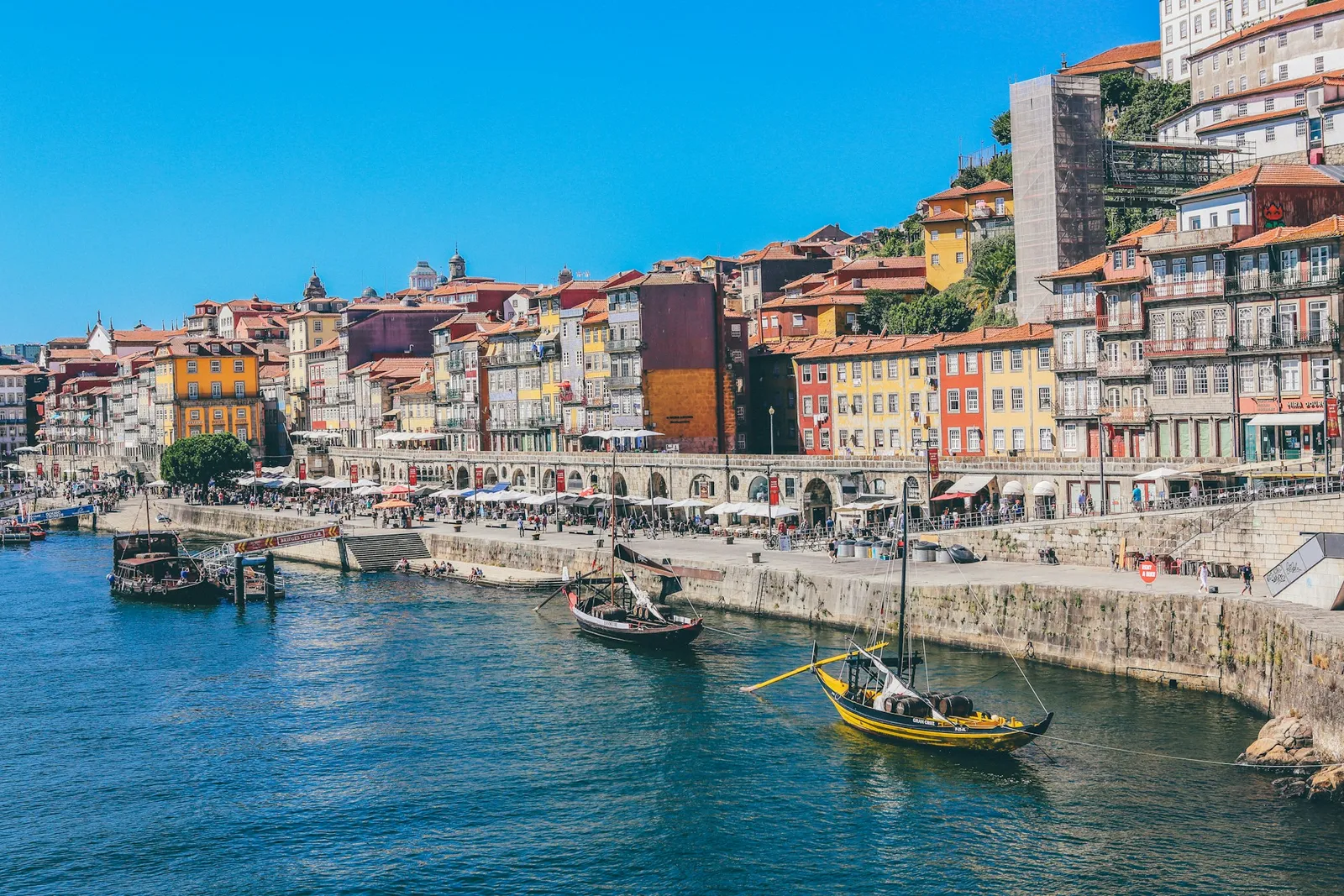
Portugal keeps showing up at the top of every digital nomad ranking for good reason. The D8 digital nomad visa gives you a legal pathway to stay long-term, and it can eventually lead to permanent residency after five years. Nice.
Lisbon and Porto both have well-established coworking scenes, fast fiber internet, and English is widely spoken too.
The downside? Lisbon has gotten more expensive.
Rent has climbed steadily over the past few years, and finding an affordable apartment in the city center takes real effort now. Porto is cheaper, and smaller cities like Braga or Aveiro are even more affordable.
Expect to spend around $2,000 to $2,500 per month as a single remote worker, depending on where you land.
Good for: People who want a European base with a clear path to residency.
Spain

Spain topped the Immigrant Invest 2026 Digital Nomad Visa Index, and the visa itself is generous.
It allows stays of up to five years with a route to permanent residency. On top of that, the Beckham Law offers favorable tax treatment on foreign income for up to six years, which is a big deal for higher earners.
Barcelona, Valencia, and Málaga are all popular with remote workers. The cost of living runs roughly 15–25% less than London or Paris for housing, food, and daily expenses.
And the lifestyle? Hard to beat.
Good for: Remote workers who want strong infrastructure, great food, and long-term tax benefits.
Mexico
Mexico doesn’t have a formal digital nomad visa, but its temporary resident permit works well for remote workers planning longer stays. Mexico City has become one of the most popular hubs for American remote workers, thanks to its time-zone overlap with the US, affordable cost of living, and thriving cultural scene.
Internet speeds can vary depending on the building and neighborhood, so do your homework before signing a lease. Playa del Carmen, Oaxaca, and Mérida are also popular, though smaller cities may have patchier connectivity.
The biggest draw is proximity. You’re a short flight from most US cities, and there’s no jet lag to deal with.
Good for: Americans who want to live abroad without feeling too far from home.
Thailand
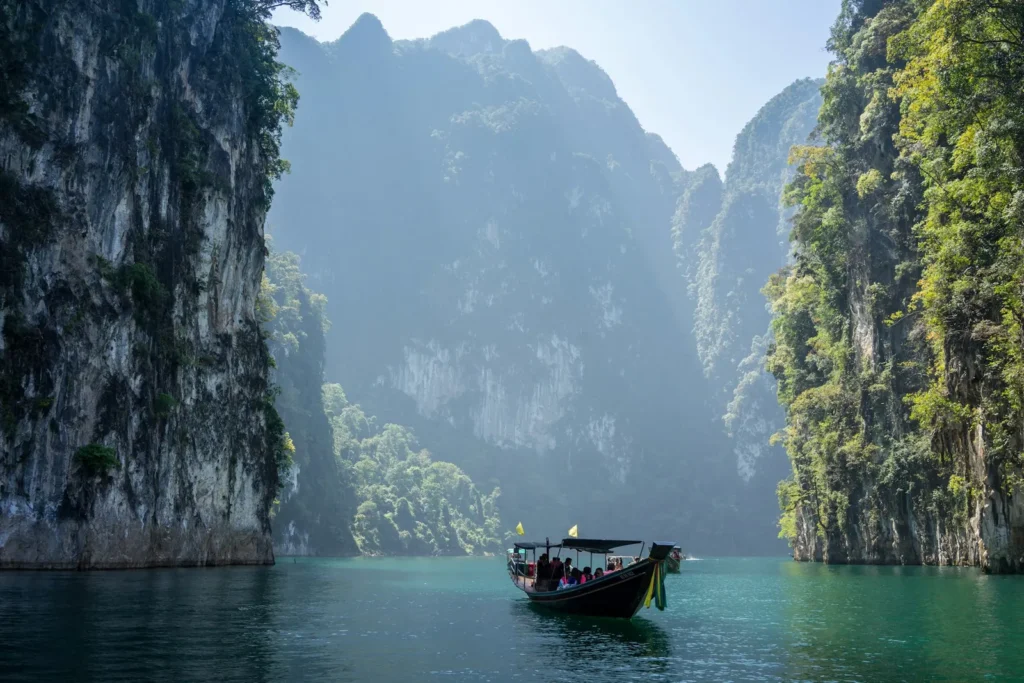
Thailand’s Destination Thailand Visa (DTV), introduced in 2024, is a five-year, multiple-entry visa that allows 180-day stays. That makes it the most flexible long-term option in Southeast Asia right now.
Chiang Mai remains the classic digital nomad pick, with coworking spaces practically on every block and a monthly cost of living that can dip below $1,500 comfortably. Bangkok is more expensive but offers world-class food, reliable infrastructure, and a massive expat community.
One thing to keep in mind:
Thailand updated its tax rules in 2024, and income remitted to Thailand in the same tax year may now be subject to local taxes. It’s worth talking to a tax professional before committing.
Good for: Budget-conscious remote workers who want warm weather and a low cost of living.
Colombia
Colombia stands out for its affordability. The digital nomad visa requires only around $750 per month in income, one of the lowest thresholds anywhere.
Medellín has earned its reputation as a digital nomad hotspot, with pleasant year-round weather, reliable internet in most neighborhoods, and a growing coworking scene.
Bogotá and Cartagena are also worth considering. Bogotá is bigger, cooler (both in temperature and vibe), and more cosmopolitan. Cartagena is gorgeous but hotter and more tourist-oriented.
Good for: Remote workers on a tighter budget who want a Latin American base.
What About Buenos Aires?
It’s not like this in Buenos Aires, where I’m based, but Buenos Aires doesn’t always make these lists, and it probably should. The city has fantastic food, a rich cultural life, and extremely affordable day-to-day costs.
The internet is solid in most neighborhoods, and there’s a growing community of remote workers.
The catch is Argentina’s complicated economic situation. Inflation is a constant factor, and currency rules change often. If you earn in dollars and spend in pesos, you can live very well, most of the time at leats. But the bureaucratic side of things can be frustrating, to say the least.
How Do You Pick the Right Place for Remote Work Abroad?
Forget rankings for a second. The right country depends on a handful of practical things:
- Time zone compatibility. If you have meetings with a US-based team, moving to Bali means calls at 2am. Mexico or Colombia keep you in the same range. Portugal gives you a manageable 5–8 hour offset from the East Coast.
- Internet reliability. Check Speedtest Global Index for real data. And ask people who actually live there, because national averages don’t tell you what a specific apartment building gets.
- Visa situation. A tourist visa might work for a few weeks, but if you’re planning to stay six months or longer, you need a proper digital nomad visa or residence permit. Operating on a tourist visa while working remotely is a legal gray area you don’t want to be in long-term.
- Cost of living vs. quality of life. Cheap isn’t always better. A place that costs $800 a month but has unreliable electricity and poor healthcare isn’t really saving you money.
Do You Need a Digital Nomad Visa to Work Abroad?
Technically, you can work from a laptop on a tourist visa in many countries without anyone noticing. But that doesn’t make it legal.
Digital nomad visas exist specifically to give remote workers a clear legal status, and more than 50 countries now offer them. Some, like Croatia’s, even exempt you from local income tax during your stay.
If you’re planning to stay somewhere for more than a few months, get the visa. It gives you peace of mind, and in some countries it can be a stepping stone toward permanent residency.
The Truth About Choosing a Base
Most people overthink this. They spend months comparing cities on spreadsheets and reading Reddit threads, and then they pick somewhere and realize the reality is different from the research anyway.
A better approach: pick a place that checks your top two or three priorities, go for a month, and see how it feels. You’re a remote worker. You can leave if it doesn’t work out. The freedom to move is the whole point.
FAQ
What’s the cheapest country to live in as a remote worker?
Thailand, Colombia, and Vietnam consistently rank among the most affordable options. A single remote worker can live comfortably in Chiang Mai or Medellín for $1,200–$1,500 per month, including rent, food, and coworking fees.
Do I still have to pay US taxes if I live abroad?
Yes. US citizens must file federal tax returns on worldwide income regardless of where they live. The Foreign Earned Income Exclusion lets you exclude up to $130,000 (2025) of foreign-earned income if you qualify, but you still need to file.
Can I bring my family on a digital nomad visa?
Most digital nomad visas allow you to include a spouse and dependent children, though income requirements usually increase for each additional family member. Spain, Portugal, and Italy all offer family-friendly options.
What internet speed do I need for remote work?
For most remote jobs, 25 Mbps download speed is the minimum for comfortable video calls and file sharing. If you’re doing video production or uploading large files regularly, aim for 50 Mbps or higher. Always test the specific apartment or coworking space before committing.
Is it safe to live abroad as a remote worker?
Safety varies enormously by country and city. Portugal, Spain, and Japan consistently rank among the safest countries in the world. In Latin American destinations like Mexico or Colombia, neighborhood choice matters a lot. Research specific areas rather than writing off an entire country based on headlines.